Stay Empowered.
Practical guidance, honest perspectives, and clinical insight from the Empowered team in Austin. Written for real life, reviewed for accuracy, and free of diet culture.
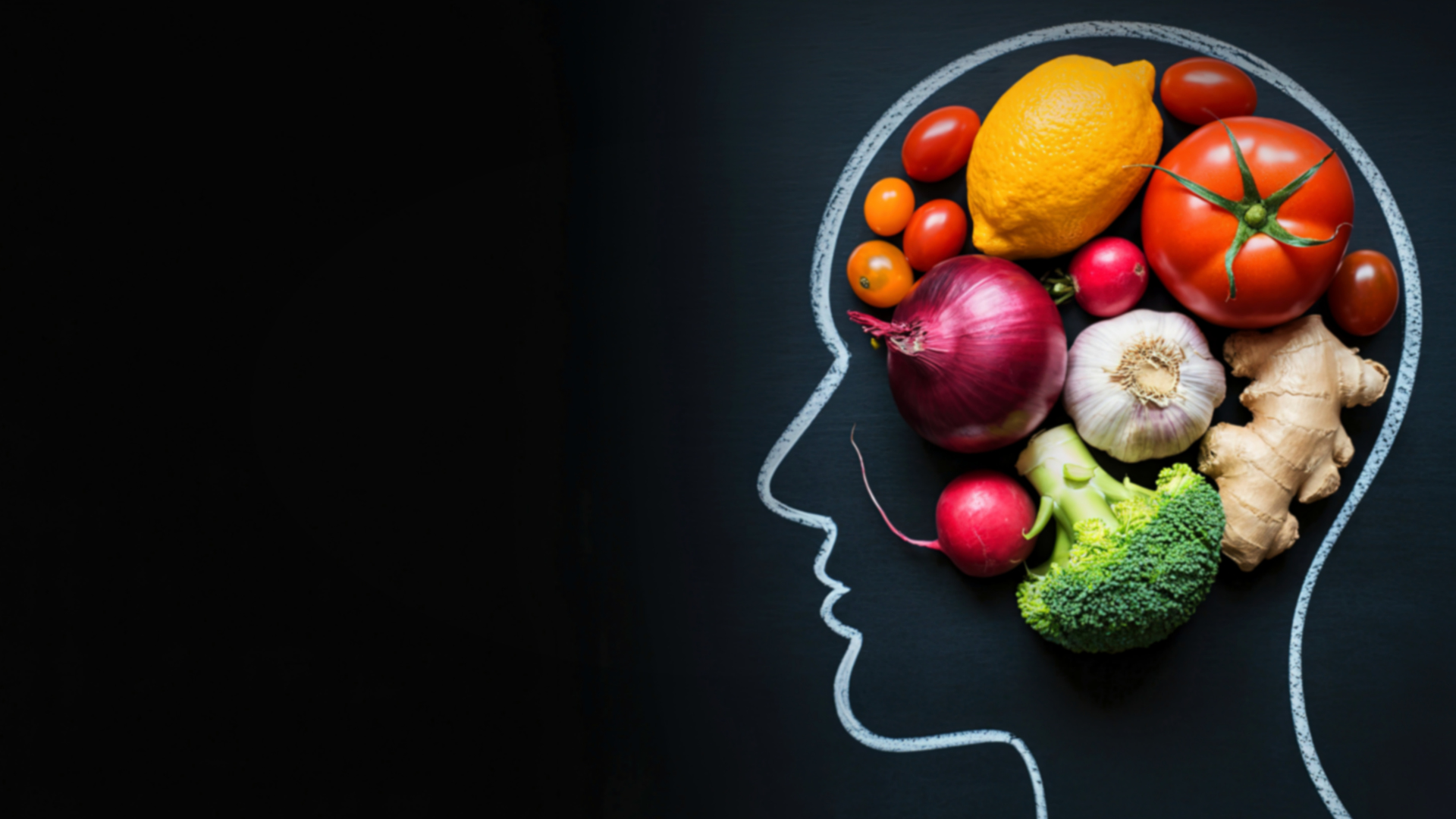
Why “Food Rules” Feel Good But Are Keeping You Stuck
It’s perfectly healthy and normal to have some gentle and flexible food preferences that are based on healthy habits. Like enjoying fruit wi
Read more →
Eating Disorders: A guide for loved ones
Eating disorders are complex mental health conditions that affect a person’s relationship with food and their body, as well as interfere wit
Read more →
But you don’t LOOK like you have an eating disorder…
Sarah starts her day every morning at 5:30am. Before anyone else in her house is awake, she’s mentally adding up calories from dinner, subtr
Read more →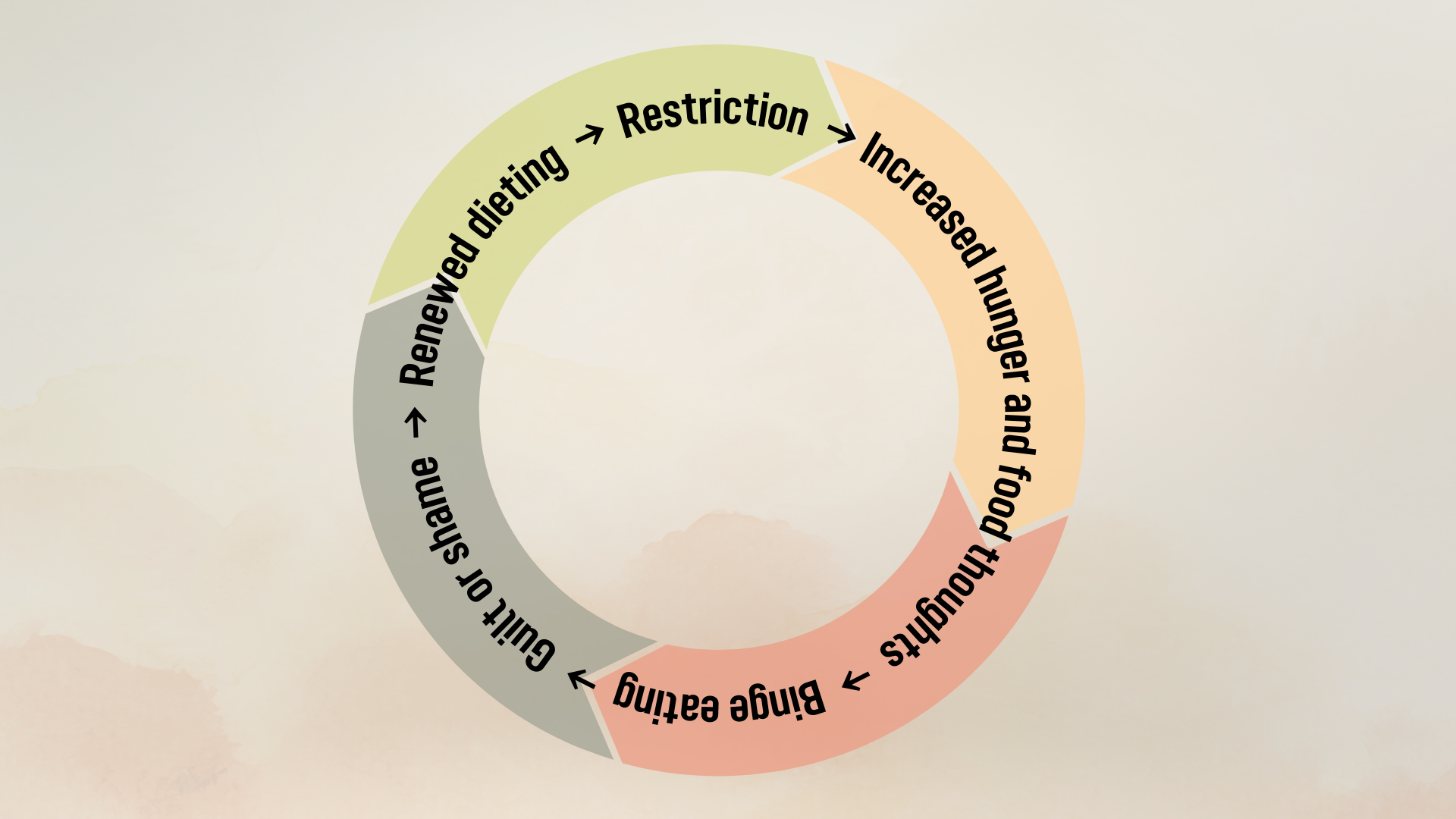
The Binge-Restrict Cycle: Why Another Diet Won’t Cure Binge Eating
For many people, the urge to start a new diet often appears right after a binge. It can feel like the logical solution. You may find yoursel
Read more →
Trauma-Informed Care vs. Trauma-Forward Treatment
Trauma-informed programs are everywhere, but what exactly does that mean? When most people hear “trauma-informed care” they think: They unde
Read more →
Understanding Co-Occurring Eating Disorders and Substance Use Disorders
Reaching out for help can feel like one of the hardest things to do. It can often feel both overwhelming and scary - especially when you are
Read more →
Is it Disordered Eating or is it an Eating Disorder?
It isn’t breaking news that our culture is completely obsessed with dieting, appearance, and achieving the "perfect body”. We are bombarded
Read more →
Typical or Atypical Anorexia?
Atypical Anorexia, despite what the name may imply, is actually the most common type of Anorexia. The diagnostic criteria (as outlined by th
Read more →Foundational guides in the library
Blog posts are conversations. For comprehensive, medically reviewed deep dives, visit the Client Education library:
Eating Disorders & Trauma
Our flagship clinical guide to how they interact and how integrated treatment works.
Read →What Eating Disorders Are (and Aren't)
Diagnoses, causes, myths, and the disordered-eating continuum.
Read →Levels of Care Explained
Outpatient to inpatient: what each level means and how the right one is chosen.
Read →How to read about eating disorders without hurting your recovery
- Skip numbers. We don't publish weights, calories, or BMI figures, and we encourage you to avoid content that does.
- Notice your state. If reading about symptoms makes you want to enact them rather than understand them, close the tab and use a skill. That's wisdom, not weakness.
- Beware of recovery content that's really diet content. If it moralizes food or promises control, it isn't recovery content.
- Reading is not treatment. If you're researching instead of reaching out, the next step might be a phone call, not another article.
Questions about your own situation? Call us at (512) 882-4599. In crisis, call 911 or the 988 Suicide & Crisis Lifeline.
Ready for the next step?
Reading is a great first step. A conversation is a better second one. Call us to begin your journey to recovery.