
For people struggling with eating disorders in Dallas-Fort Worth, and the people who want them to get better.
Empowered Treatment is an adult eating disorder program in Austin offering partial hospitalization, intensive outpatient care, and transitional housing, about three hours south of Dallas-Fort Worth.

High-functioning is not the same as fine.
Across Dallas, Fort Worth, and the suburbs in between, plenty of people are holding down demanding jobs, raising families, or finishing degrees while an eating disorder runs underneath it all. Being capable can make it easier to hide, and harder to admit that something is wrong.
Eating disorders are not a phase, a diet gone too far, or a matter of willpower. They are serious, treatable conditions that affect people of every size, gender, and age. If you have been telling yourself it is not that bad, it may be worth talking with someone who can help you see the full picture.

Needing more support is not a failure.
Maybe you already see a therapist or dietitian and things are still not changing. That does not mean you have failed at recovery. It often means you need more structure than an hour a week can provide.
A conversation with our team is confidential and free. We will ask what has been happening, answer your questions, and help you figure out whether a higher level of care makes sense. Read when weekly therapy is not enough.
You are allowed to ask for help, too.
Supporting someone with an eating disorder is exhausting, and many partners and parents feel like they are walking on eggshells. You are not responsible for fixing it, but you can be an important part of recovery. Our page on caregiver burnout was written for you.
When an adult you love starts treatment, our family education helps you understand what to expect, how to talk about food and bodies at home, and how to take care of yourself along the way.
A home base, three hours from home.
A daily drive between Dallas-Fort Worth and Austin is not workable during treatment. Our transitional housing in Austin’s Hyde Park neighborhood gives you a supportive place to live while you attend PHP or IOP, with shared meals, your own room, and people who understand what you are working on.
 Shared living spaces
 A room of your own
Specialized, coordinated, and personal.
Your care team includes eating disorder therapists, registered dietitians, a family therapist, and psychiatric providers, all in one program. Treatment is built around you, including co-occurring concerns like anxiety, depression, OCD, or trauma, and it changes as you do.
Partial hospitalization (PHP)
Full treatment days at our Austin center: supported meals, daily groups, individual therapy, dietitian care, and medical and psychiatric monitoring.
About PHP →Intensive outpatient (IOP)
Group programming plus weekly individual and dietitian sessions, built to fit around work, school, and family once more structure is not needed.
About IOP →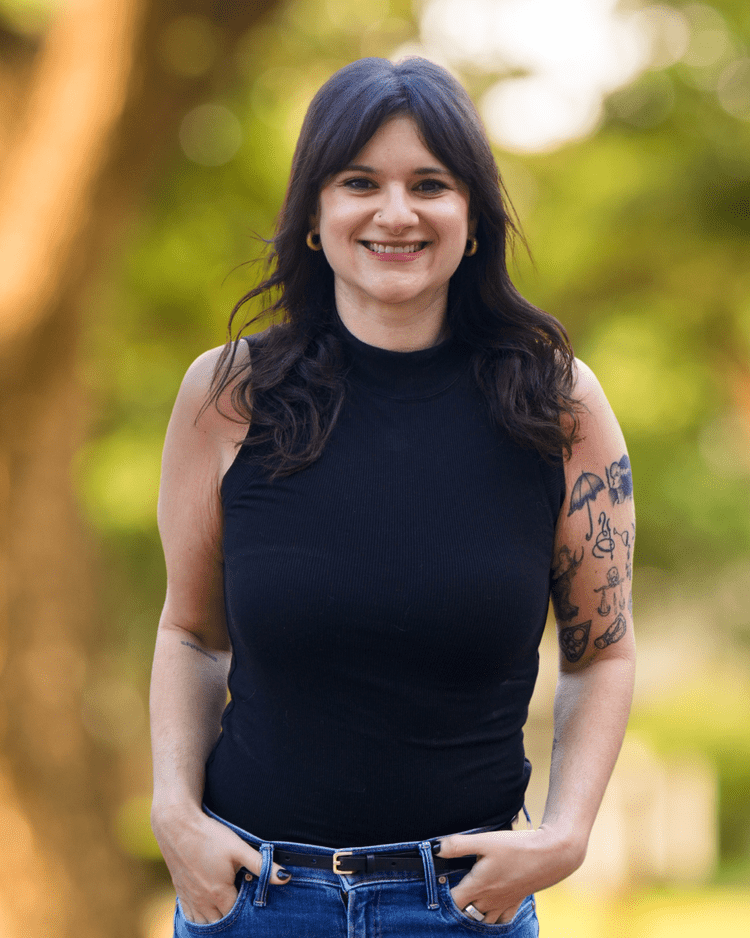
“A lot of the people I work with have been very good at looking okay. Part of therapy is making room for the parts of them that have not been okay, and finding out what they need instead of what the eating disorder tells them they need.”Sydney Kudeviz, LCSWTherapist, Empowered Treatment
The drive, the details, and the cost.
Getting to Austin from Dallas-Fort Worth
Our center is on Spicewood Springs Road in Northwest Austin.
- By car: about 190 to 195 miles, roughly 3 hours via I-35, depending on traffic
- By air: flights from DFW and Dallas Love Field arrive at Austin-Bergstrom International Airport (AUS), roughly a 30-minute drive from our center
- Staying in Austin: most people from the area stay in our transitional housing during treatment
- Family visits: manageable as a weekend trip
Insurance and paying for care
Our team can check your benefits before you commit to anything, including how your plan handles partial hospitalization, intensive outpatient care, and out-of-network services.
- Verify your insurance online, or call and we will walk through it with you
- Housing is arranged alongside your program; cost and availability depend on your situation, so ask us directly
- The Texas Department of Insurance offers free help with health plan questions, denied claims, and appeals
- Read does insurance cover eating disorder treatment?
Support back home in North Texas.
Recovery continues after you leave our program. These North Texas and Texas resources can sit alongside the aftercare plan we build with you.
- Metrocare ServicesA Dallas County provider of community mental health services for adults, children, and families.
- My Health My Resources of Tarrant CountyTarrant County’s local mental health authority, with crisis and community behavioral health services.
- Texas Health and Human Services: Mental Health and Substance UseState mental health services and a search for behavioral health providers in your area.
- 988 Suicide & Crisis LifelineCall or text 988, any time, from anywhere in the United States. In an emergency, call 911.
Questions people in Dallas-Fort Worth often ask.
Is three hours too far to go for treatment?
Many people decide the right program is worth the distance, especially with transitional housing nearby. Our team can talk through what it would involve for your work, family, and finances before you decide.
Can I keep working remotely during treatment?
During IOP, many people keep working. PHP is 30 hours a week, so work is usually paused or reduced. Read about working while in treatment.
I already have a therapist in Dallas. Do I have to stop seeing them?
Not necessarily. With your permission, we can coordinate with your outside providers during treatment and as you plan your return home.
Do you treat men?
Yes. We treat adults of all genders. Read about eating disorders in men.
More for Dallas-Fort Worth
Articles and guides for readers in Dallas-Fort Worth.
Three hours south, one call away.
Talk with a real member of our clinical team about what is going on and which level of care makes sense. There is no cost or obligation to ask.