
About 70 miles from Killeen-TempleAdults 18+In person in Austin
ARFID treatment for Killeen-Temple adults, working through the anxiety and sensory side of eating.
Empowered Treatment offers ARFID treatment for adults at our Austin center, about 70 miles from Killeen and Temple, in partial hospitalization and intensive outpatient care. For Bell County adults whose safe foods have narrowed to a handful, treatment works on the anxiety and the sensory reactions underneath the avoidance, gradually and with your agreement, and plans for the field days and long shifts when the food you trust is not on hand.
about70miles
About 1 to 1.25 hours each way by car. Temple and Belton via I-35 south; Killeen via US-190 east to I-35, or TX-195 south through Florence to Georgetown; Copperas Cove via US-190 and US-183 through Lampasas.
Other Texas cities we serve, by distance
- 30 hrsa week in partial hospitalization: supported meals, groups, therapy, dietitian, medical and psychiatric care
- 9 hrsa week of group programming in IOP, plus weekly individual and dietitian sessions
- 1 housein Hyde Park, alongside PHP or IOP, with shared meals and a room of your own
- 18+adults only, with every hour of care in person at our Austin center
When the list of foods you can face fits on an index card.
ARFID, short for avoidant/restrictive food intake disorder, describes eating that has narrowed so far, in variety or in quantity, that your body or your daily life is paying for it. Body image plays no part. Behind the narrowing sits sensory sensitivity to how food feels, smells, or tastes, a fear that eating will end in choking, vomiting, or a reaction, a near absence of appetite or interest, or some mix of the three.
Adult ARFID in Bell County often has a long history behind it. Some people have eaten the same few foods since childhood and built a career around hiding it. Others narrowed after a single frightening episode, a choking scare on a training exercise or a bad night in a Temple emergency room, and food has not felt safe since. Field rations, hospital cafeterias, and a gas station on I-35 at the end of a shift all become tests you either pass or skip.
Our adult ARFID program in Austin treats that fear and discomfort as real, and works through them at a pace you help set. If restriction has also come to involve fear of weight gain or distress about your body, anorexia treatment for Killeen-Temple adults may describe it more accurately, and your assessment in Austin will tell the two apart.
Signs that avoidance has crossed from habit into a health problem.
Plenty of adults are particular about food and stay healthy. These patterns suggest ARFID has gone further than preference:
- Your safe list is getting shorter.A brand changes its recipe or a restaurant closes, and nothing new replaces what you lost.
- Duty days run on almost nothing.On field days or long shifts you eat little or nothing because the food available is not food you can manage.
- Your body is showing it.Weight loss, fatigue, poor concentration, or a doctor flagging low iron, vitamin levels, or other deficiencies.
- The doctors keep finding nothing.A GI or allergy workup came back clear, yet the fear of choking, vomiting, or a reaction is as strong as ever.
- Eating with others feels like exposure.You avoid unit meals, work lunches, or family dinners, or eat beforehand so nobody sees what is on your plate.
- Supplements have replaced meals.Shakes, bars, or the same packaged item carry most days, not just the busy ones.
None of this means you have failed at being an adult. It means the avoidance has outgrown what willpower can fix.
Steady nutrition first, then new foods at your own pace.
ARFID care at Empowered happens in person in Austin, in PHP or IOP. Before anything new appears on a plate, the priority is making sure your body is getting enough from the foods you already trust.
Your safe foods stay on the table
A dietitian starts from what you already eat, including that one chain restaurant, and fills nutritional gaps without taking away the foods that keep you going.
A ladder you and your therapist build
Foods are ranked from easiest to hardest with your input, and each step is tried at a supported meal in Austin. A step can wait, and you are never ambushed with a new food.
Anxiety treated as anxiety
CBT helps you understand and ride out the fear of choking, vomiting, or reacting badly, so each exposure teaches your body something new instead of confirming the threat.
The sensory side taken seriously
If texture or smell is the main driver, work begins with small changes in familiar foods. If you are autistic or have ADHD, the plan adapts to how you experience food rather than fighting it.
If the anxiety that guards your plate also shows up in crowded rooms, intrusive thoughts, or rituals that have nothing to do with food, co-occurring eating disorder treatment for Killeen-Temple adults brings that anxiety or OCD into the same plan. Our article on eating disorders and autism covers the sensory side in more depth.
Practice in Austin, then on the road home through Bell County.
The center is about 70 miles from Killeen-Temple, about 1 to 1.25 hours via I-35 from Temple and Belton, or via US-190 or TX-195 from Killeen. For ARFID, the drive itself can become practice: a snack you have worked up to, eaten on the way home rather than skipped. PHP is a full week of supported meals, and from Bell County it usually pairs with transitional housing in Hyde Park, where a shared kitchen gives you another place to try new foods. An IOP commute is realistic for some adults, especially once the first steps are behind you.
- Talk about what you eat nowOn the first call, tell us your safe foods, what has dropped off the list, and any medical tests you have had.
- Check your coverageWe can check your benefits before you decide, including dietitian sessions and both levels of care.
- Assessment in AustinThe team looks at nutrition, medical history, and which driver leads for you: sensory, fear, or low interest.
- First steps at a supported mealThe ladder starts with the smallest change you agree to, with a dietitian or therapist beside you.
- Plan for duty daysBefore you step down, you build a plan for field days and long shifts, so you know what you will eat when choices are limited.
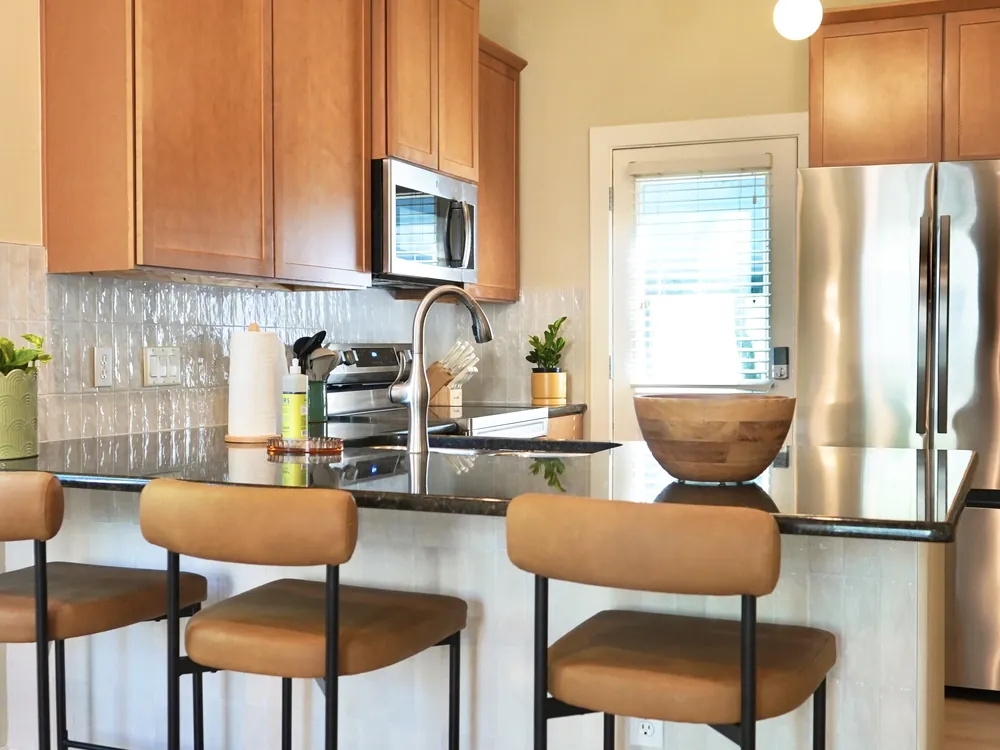
The transitional house in Hyde Park. See transitional housing in Hyde Park
A wider list of foods that holds up back home.
The goal is a range of foods that works where you actually eat: the break room in Temple, the DFAC or the drive-through outside the gate, a holiday meal at a relative’s house in Copperas Cove. Your aftercare plan names the next foods on your ladder and how to keep practicing them, and with your written permission we share it with your primary care doctor, therapist, or dietitian in Bell County.
A partner or family member can learn to offer a new food without pressure, which often matters more than the food itself. In family education in Austin, they learn the job at your own table: leave the practice food within reach, keep a safe food on the plate beside it, and let you decide when to try it.
Texas resources for ongoing support:
- NAMI TexasSupport groups and family education for adults living with anxiety and other mental health conditions.
- Texas Health and Human Services: Mental Health and Substance UseState crisis contacts and a county tool that finds the public mental health authority serving Bell County.
More for Killeen-Temple adults, in one place.
Everything for Killeen-Temple: every service, the drive, the house →Or find your Texas city →
- ARFID treatment for Killeen-Temple adultsAdult care for food avoidance driven by fear, texture, or low appetite.This page
- Eating disorder treatment for Killeen-Temple adultsThe full picture: levels of care, the team, and how adults decide what fits.→
- Anorexia treatment for Killeen-Temple adultsRestriction, weight restoration, and the fear underneath both.→
- Co-occurring eating disorder treatment for Killeen-Temple adultsAnxiety, depression, OCD, or trauma treated alongside the eating disorder.→
What Killeen-Temple adults ask before they call.
Straight answers to the questions we hear most. If yours is not here, call and ask it.
One chain restaurant outside the gate and a few packaged foods are all I trust. Will ARFID treatment take my safe foods away?
No. Your safe foods are the foundation, not the problem. A dietitian makes sure you are getting enough from what you already eat, and new foods are added alongside them, never in place of them. The order you eat at that restaurant outside the gate may even become a first step, a small change to a meal you already know. You help decide what comes next and when.
Is a Temple GI or allergy workup needed before ARFID treatment?
Not always, but bring whatever you have. If swallowing problems, stomach pain, or reactions to food have never been looked at, a medical evaluation is sensible, and a GI or allergy doctor in Temple is a reasonable place to start. If you have already had a workup and it came back clear, that is useful information. ARFID and real GI conditions can exist together, and our medical team considers both when building your plan.
Can I start ARFID care in PHP and finish with IOP commuting from Temple?
Yes, and from Bell County that path fits the drive well. PHP gives you supported meals and daily practice while your nutrition steadies, and from here it usually pairs with a room in our Hyde Park house. When you step down to IOP, the drive from Temple is a little over an hour each way, and your plan includes practice meals at home between program days. Your team stays the same across both levels.
Can exposure start slowly if I have eaten the same few foods since basic training?
Yes. Exposure starts at a step you agree to, sometimes just having a new food on the table, or a different brand of something you already eat. Years of eating the same foods do not make change impossible; they make it important to move at a pace your body can tolerate. Your therapist and dietitian build the ladder with you, and you decide when to take each step.
Tell us the foods that feel safe. We will start from there.
One call to talk through what you eat now, what has changed, and whether PHP or IOP from Killeen or Temple fits.