
For people struggling with eating disorders in Iowa, it is okay to want more than coping.
Getting through each day is not the same as getting better. Empowered Treatment offers adults partial hospitalization, intensive outpatient programming, and transitional housing in Austin, Texas, with a team that specializes in eating disorders.

Getting by is not the same as getting well.
An eating disorder rarely announces itself. It can grow quietly in an Ames dorm room, in a Des Moines office tower during a long stretch of year-end deadlines, on a family farm during harvest when meals happen standing up, or through a gray Cedar Rapids winter when the days shrink and so does the plate. It often looks like self-control, until it starts to feel like a cage.
You might be the dependable one at work or the person who handles everything at home. That kind of reliability can make it hard to admit you are struggling. Yet the effort it takes to manage food, weight, or the guilt after eating is real, and it deserves real care. Reaching out is not weakness. It is a practical decision about your health.

Nobody needs to earn the right to get help.
People often tell us they assumed someone else had it worse, so they kept quiet. Comparison keeps a lot of adults stuck. If you are skipping meals, bingeing in secret, purging, or feeling ruled by numbers, those experiences matter on their own terms.
Our admissions team can talk with you about what you are noticing and whether a higher level of care makes sense. If weekly therapy has stopped being enough, you can read more in when weekly therapy isn’t enough. The conversation stays confidential.
Caring for someone who says they are fine.
Many families in Iowa describe the same frustration: their adult child, spouse, or sister insists everything is under control while the signs keep adding up. Pushing harder rarely helps. Our page on when a loved one refuses help offers ideas for staying connected without forcing the issue.
If your loved one does begin treatment, family education gives you a clearer picture of the illness and the recovery process. You will learn what is useful to say, what to leave unsaid, and how to look after yourself while you support someone else.
Somewhere supportive after programming ends.
Many Iowans live hours from any specialized eating disorder program, and traveling to Texas raises the question of where to stay. Clients in PHP or IOP can live in our transitional housing, a house in Austin’s Hyde Park neighborhood shared with others in treatment. Having that support in the evening, when meals and routines are hardest, can help recovery take root.
 Shared living spaces
 A room of your own
Specialists in conversation with each other.
At Empowered, the people treating you are in regular contact. Therapists address the thoughts and feelings driving the eating disorder, dietitians rebuild a steady relationship with food, psychiatric providers manage medications and co-occurring conditions, and a family therapist helps the people closest to you. Together, we plan your next steps, including aftercare with clinicians back in Iowa.
Partial hospitalization (PHP)
Full treatment days at our Austin center: supported meals, daily groups, individual therapy, dietitian care, and medical and psychiatric monitoring.
About PHP →Intensive outpatient (IOP)
Group programming plus weekly individual and dietitian sessions, built to fit around work, school, and family once more structure is not needed.
About IOP →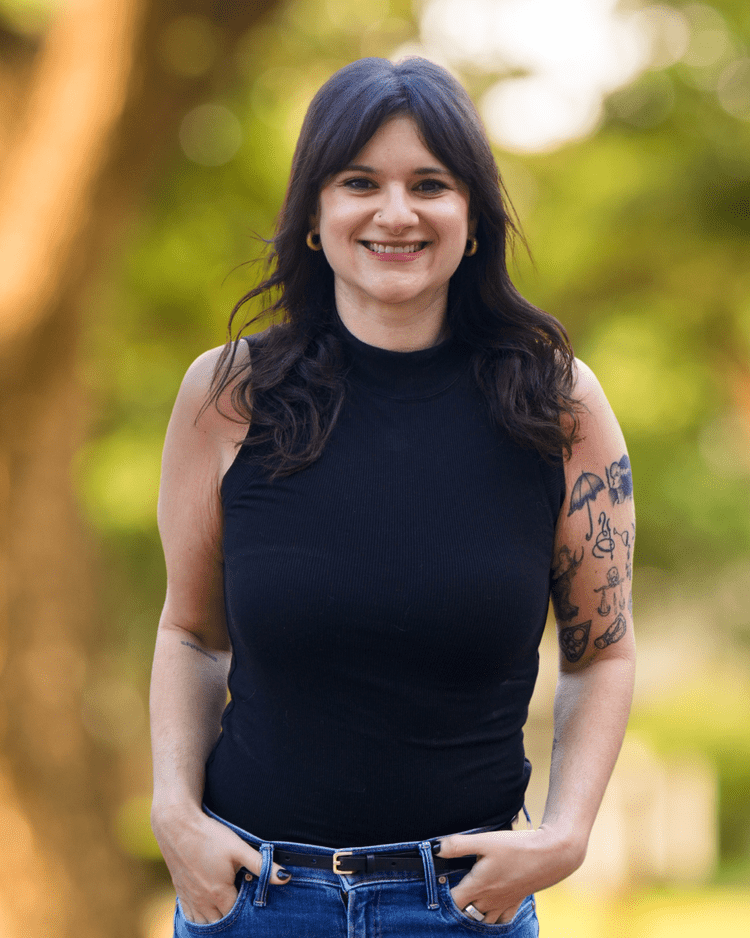
“In therapy we get curious about what the eating disorder has been doing for you, whether that is quieting anxiety, creating a sense of control, or helping you cope with something painful. Once we understand its job, we can start building other ways to meet those needs that feel safer and kinder.”Sydney Kudeviz, LCSWTherapist, Empowered Treatment
Logistics, handled together.
From Iowa to our Austin center
Iowa’s larger airports have flights toward Austin, often with a connection, and we can help you plan the travel day.
- Distance: about 820 miles from Des Moines as the crow flies
- Flying: Des Moines International Airport (DSM) and The Eastern Iowa Airport (CID) in Cedar Rapids have service into Austin-Bergstrom International Airport (AUS)
- From the airport: expect around 30 minutes of driving from AUS to Empowered in Northwest Austin, traffic permitting
- Housing: clients in PHP or IOP can ask about transitional housing in Hyde Park
Paying for treatment
We will check your benefits before you commit to anything. That includes how your plan approaches partial hospitalization, intensive outpatient care, and treatment outside Iowa.
- Fill out our insurance verification request, or call and we will gather the details by phone
- If your plan is issued in Iowa, ask how it covers providers in Texas and whether out-of-network benefits are part of it; we can help you figure out what to ask
- The Iowa Insurance Division provides consumer information on health coverage and accepts complaints about insurers
- If you are covered by Iowa Medicaid, coverage for care outside your home state is usually limited, so call and we’ll help you understand what applies
Help that stays with you in Iowa.
Planning for home starts long before discharge. These statewide resources in Iowa can help you and your family keep support in place once programming in Austin is complete.
- Iowa HHS: Behavioral Health Service SystemState information on mental health and crisis services, including service maps and resources for Iowans and their families.
- NAMI IowaFree mental health education and support, including NAMI Family-to-Family and family support groups.
- Iowa Insurance DivisionGuides to health insurance, licensed company lookups, and a way to file complaints about regulated insurers.
- 988 Suicide & Crisis LifelineCall or text 988, any time, from anywhere in the United States. In an emergency, call 911.
Common questions from Iowa families.
I live in a rural part of Iowa. Is treatment in Austin realistic?
It can be. Many people who live far from specialized care relocate for a period of treatment and stay in our transitional housing. We can talk through timing around work, family, or a planting and harvest schedule, and plan for aftercare closer to home.
I am a student at an Iowa university. What are my options?
Some students take a medical leave or lighter semester to attend PHP or IOP. We can talk about what that might look like and what records your school may need. See college student eating disorder treatment for more.
What does the first assessment involve?
We ask about your eating patterns, physical health, mood, history, and goals so we can recommend a level of care that fits. It is a conversation, not a test. Read what an eating disorder assessment involves to know what to expect.
Will I have to share a room in transitional housing?
Housing details, including room arrangements, cost, and availability, depend on timing and your situation, so please ask our team directly. They can describe the house, daily expectations, and how housing fits with your program schedule.
More for Iowa
Articles and guides for readers in Iowa.
Take the next step at your own pace.
Call us to talk about what has been happening and what kind of support might help. We will answer your questions honestly, and you can take whatever time you need to decide.